Powering the Future: Why Electrical Engineering Technology Programs at Fleming are Wired for the Next Generation
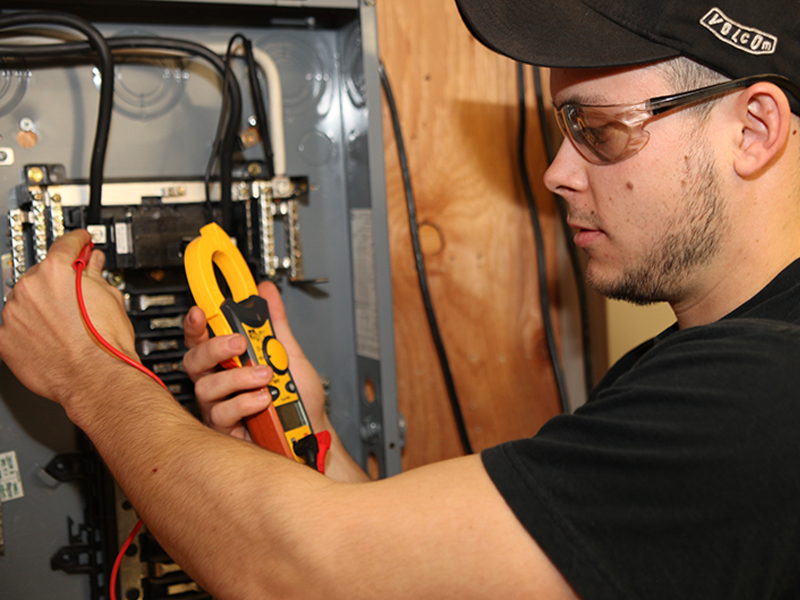
Technology is changing fast, and so are the careers behind it. Today’s industries don’t just need people who can wire a panel or lead technical team. They need professionals who understand automation, robotics, programming, industrial data, networking, and intelligent systems working together in real time.
That’s exactly where Fleming College’s Electrical Engineering programs stand out.
Whether you’re interested in becoming highly skilled in hands-on electrical systems or stepping into advanced automation, programming, and systems integration roles, Fleming College offers two in-demand career pathways:
The Difference: Technician vs. Technologist
At first glance, these careers sound similar, and they are connected. Both require work in hands-on electrical engineering tasks and both are in demand across manufacturing, automation, energy, utilities, robotics, and industrial sectors. The difference comes down to depth, responsibility, and system-level design and integration.
- Electrical Engineering Technician
The two-year Electrical Engineering (EE) Technician diploma program focuses on practical, hands-on skills used every day in technical environments.
EE Technicians are essential to keeping systems running safely and efficiently in factories, plants, utilities, and industrial operations. This path is ideal for students who enjoy working with tools and technology and solving real-world technical problems. They excel in a hands-on learning environment and want to enter the workforce quickly.
Technicians are often the people who:- Install and maintain equipment
- Test and troubleshoot electrical and automation systems
- Support production and maintenance teams
- Work directly with machinery and controls
- Follow and apply established technical procedures
- Work under supervision of engineers or technologists
- Electrical Engineering Technologist
The three-year Electrical Engineering (EE) Technology advanced diploma program builds on the EE Technician program with the addition of an optional semester-long paid co-op placement and two semesters that deepen knowledge and skills in systems integration such as automation programming, industrial networking.
Electrical Engineering Technologists don’t just maintain systems, they help design, optimize, integrate, and improve them. They often work between tradespeople, technicians, and engineers, helping to connect automation and industrial technology.
In many industries, technologists are becoming some of the most valuable technical professionals because they combine electrical knowledge, automation skills, programming ability, data and networking understanding, and real-world troubleshooting experience at the system or plant level.
Technologists are often the people who:- Program PLCs and automation systems
- Integrate robotics into manufacturing and process lines
- Analyze plant-wide system problems and provide solutions
- Develop technical procedures
- Select, design, and configure industrial data systems and integrate with existing software
- Lead small technical teams
Which Program Is Right for You?
Both pathways can lead to rewarding, high-demand careers. The difference is really about how far you want to go.
Choose Electrical Engineering TECHNICIAN if you:
- Want a faster path into industry
- Prefer highly hands-on procedure-based technical work
- Enjoy troubleshooting and maintenance
- Like working directly with equipment and systems
- An end goal to become an Electrician but are having trouble securing employment
Choose Electrical Engineering TECHNOLOGY if you:
- In addition to Technician level, desire a deeper knowledge in automation and programming
- Take the lead in problem-solving and systems level thinking
- Are interested in robotics, SCADA, networking, or artificial intelligence
- Want opportunities for leadership and advancement
- Like the idea of combining electrical systems with software and industrial technology
Why These Skills Matter More Than Ever
Modern industry is evolving into connected, intelligent systems. Factories, utilities, and industrial facilities rely on the in-demand skills acquired in Fleming College’s Electrical Engineering Technician and Electrical Engineering Technology programs. Employers need graduates who can understand both physical machines and the software and data systems controlling them.
This combination of electrical systems + automation + programming + industrial data is becoming one of the most employable skill sets in advanced technology industries.
Fleming’s approach to program curriculum recognizes that the future belongs to adaptable graduates who can evolve with changing technologies. Artificial intelligence and machine learning are no longer futuristic concepts, they are already being used in manufacturing, utilities, and industrial operations.
Instead of focusing only on one tool or software platform, students develop strong foundations in electrical theory, programming logic, controls systems, industrial communication, data handling, and systems thinking.
That flexibility helps graduates stay relevant as technology continues to evolve.
Career Opportunities Are Broader Than You Think
One of the biggest surprises for many Fleming electrical engineering students is how many career paths these programs can open.
Job titles often don’t include the word “engineering,” even though employers specifically look for engineering technician or technologist education. Common job titles include Electrical Engineering Technician, Controls Programmer, SCADA Specialist, Robotics or Instrumentation Technologist, Manufacturing Technician, Process Analyst, and PLC Programmer.
As graduates gain experience, many seek career advancement opportunities in:
- Systems integration
- Technical leadership and supervisor roles
- Advanced automation roles
- Industrial data and analytics
- Project management
Industry Recognition and Professional Growth
In Ontario, both career paths are recognized through Ontario Association of Certified Engineering Technicians and Technologists (OACETT). Graduates can pursue professional designations such as:
- Certified Technician (C.Tech.)
- Certified Engineering Technologist (C.E.T.)
These credentials help demonstrate technical competence and professional credibility within electrical engineering industry.
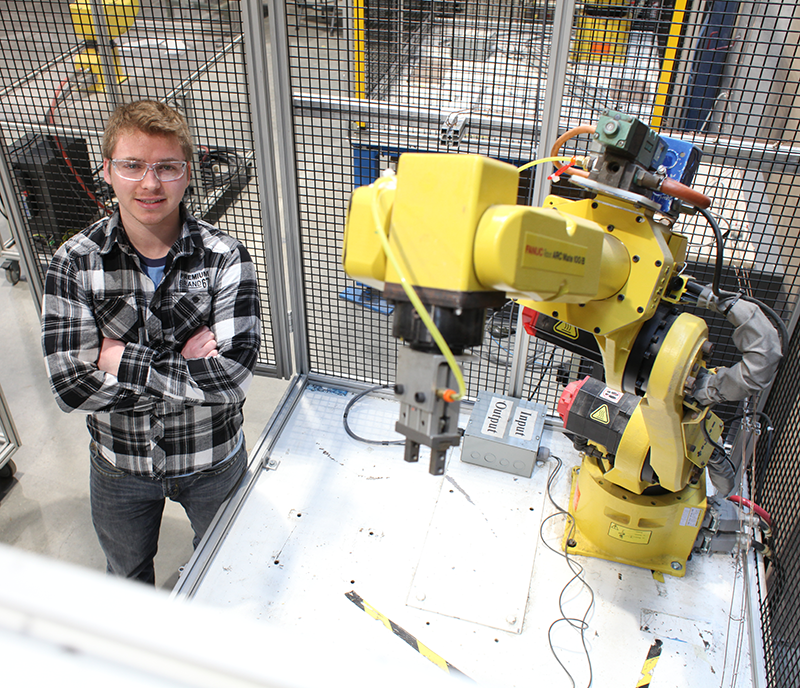
Building the Workforce of Tomorrow
Industry is changing rapidly, but one thing is clear: companies need people who can bridge the gap between electrical systems, automation, software, and intelligent technologies.
Fleming College’s Electrical Engineering programs are designed to meet that need.
Students graduate with practical experience, modern technical skills, and the adaptability needed to succeed in industries being transformed by automation, data, robotics, and AI.
For students looking for a career that combines hands-on technology with future-focused innovation, these programs offer an exciting path forward.